

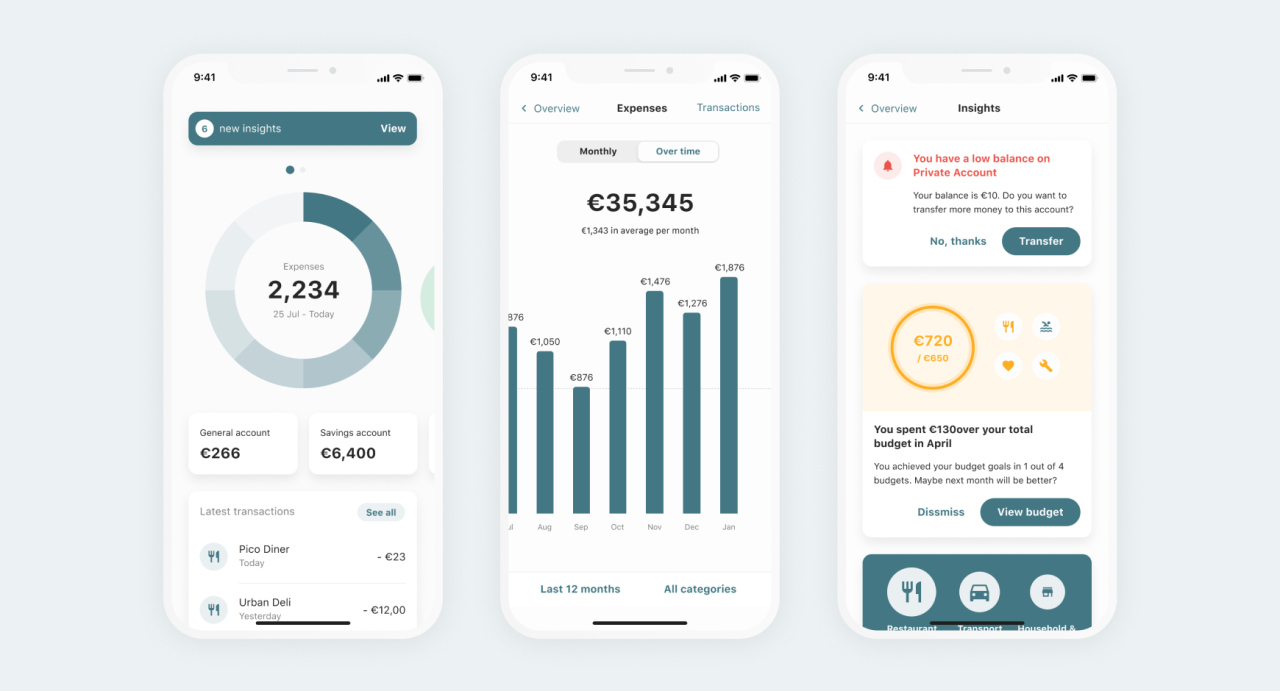
Personal finance apps have evolved into sophisticated tools that extend far beyond simple expense tracking. In 2026, the landscape is defined by artificial intelligence-driven personalization, seamless multi-account integration, and specialized solutions for distinct financial management needs. Based on comprehensive research of current offerings and 2026 industry trends, here are the ten standout applications that merit serious consideration.
1. Monarch Money — Comprehensive Financial Command Center
Monarch Money earned Wall Street Journal and Forbes recognition as the Best Budgeting App of 2025, and its capabilities justify the accolades. This all-in-one platform excels at providing users with complete financial visibility. The app aggregates net worth across traditional bank accounts, investment accounts, real estate holdings (via Zillow integration), and crypto assets, displaying your comprehensive financial picture through an intuitive dashboard.
What distinguishes Monarch Money is its transaction management sophistication. The “Swipe to Review” feature allows rapid categorization of transactions through simple left-right gestures, while AI-powered automatic categorization accelerates the data entry process. The app tracks spending across custom categories, monitors upcoming bills and subscriptions in both calendar and list formats, and enables collaboration features that allow partners to manage shared finances without incurring additional fees.
Pricing: $14.99 per month or $99.99 annually ($8.33 per month equivalent) with a seven-day free trial.
Best for: Users seeking a single dashboard for comprehensive financial management, couples managing shared finances, and those with investments requiring portfolio analysis.
2. YNAB (You Need A Budget) — Behavioral Change Through Zero-Based Budgeting
YNAB occupies a unique position in the market by making the budgeting philosophy itself the centerpiece of the experience. Rather than passively tracking where money goes, YNAB requires users to assign every dollar earned to specific categories before the month begins, creating what the company calls a “zero-based budget.”
This approach produces measurable behavioral change. Users report increased accountability and intentional spending decisions because they must consciously justify every dollar allocation. The platform provides extensive educational resources through video tutorials, live workshops, and guides that build financial literacy alongside budgeting capability. For users who respond well to structured, rule-based frameworks and don’t mind the steeper learning curve, YNAB frequently becomes a transformative tool rather than merely an app.
Pricing: Free 34-day trial followed by $100 annually (approximately $8.33 monthly).
Best for: Individuals committed to behavior change, those struggling with overspending, and users who prefer hands-on budget management over passive tracking.
3. Simplifi by Quicken — Intuitive All-in-One Solution
PCMag editors selected Simplifi as their overall best personal finance app, recognizing its optimal balance between feature richness and user accessibility. The platform combines a clean, modern interface with genuinely useful functionality. Rather than forcing users into predetermined budget categories, Simplifi employs a flexible spending plan approach that adapts to individual financial patterns.
The dashboard provides immediate visibility into your financial status, while customizable reports illuminate spending trends and cash flow patterns. The app handles the core requirements—account syncing, transaction categorization, bill tracking, savings goals—with polish and reliability.
Pricing: Freemium model with tiered pricing (exact pricing varies; typically $3-15 monthly for premium features).
Best for: Users new to digital money management seeking an intuitive entry point, those preferring balanced features without overwhelming complexity.
4. Rocket Money — Specialized Bill & Subscription Management
Rocket Money (formerly Truebill) has carved out distinct territory by excelling at operational money management rather than high-level planning. The platform automatically identifies recurring subscriptions across your accounts, flags unused services, and enables one-tap cancellations. Its bill negotiation feature distinguishes it further—though the company takes a percentage of savings, many users find success negotiating lower rates on cable, insurance, and other recurring bills.
The calendar view showing upcoming bills and paychecks with real-time spending safety calculations (“Is it safe to spend $X right now?”) provides practical financial clarity. The learning curve is significantly shallower than YNAB, making it attractive for users prioritizing simplicity.
Pricing: Free basic version; $3 per month for premium features including advanced bill negotiation.
Best for: Users wanting to identify and eliminate wasted spending, those with complicated subscription ecosystems, and individuals focused on operational savings.
5. NerdWallet — The Premium Free Option
NerdWallet achieves a remarkable feat: providing genuinely comprehensive functionality at zero cost. The platform tracks transactions, monitors your net worth across linked accounts, displays your credit score, and delivers extensive editorial content covering personal finance fundamentals through tutorials and guides.
The free model is sustainable through advertising, but the ads don’t intrude on the user experience in ways that degrade functionality. For budget-conscious users unwilling to commit to paid solutions, NerdWallet represents legitimate financial management capability rather than a limited trial version.
Pricing: 100% free, supported by advertising.
Best for: Budget-conscious individuals, those seeking educational content alongside tracking, and users wanting comprehensive monitoring without subscription commitment.
6. Empower (formerly Personal Capital) — Investment-Centric Platform
Empower distinguishes itself through superior investment management tools. The “Investment Checkup” feature analyzes your portfolio allocation and identifies asset class imbalances—particularly valuable for do-it-yourself investors who don’t regularly rebalance. The fee analyzer exposes the true cost of managed investments, while retirement and education planners help quantify major life goal funding requirements.
While its budgeting and transaction management features are basic compared to dedicated budgeting apps, investors managing substantial portfolios will appreciate the depth of investment analysis. Empower’s paid wealth management service is available only to users with $100,000+ in investable assets, keeping the free version genuinely accessible.
Pricing: Completely free for core features; optional advisory services available for qualified users.
Best for: Individual investors, those managing substantial portfolios, and users prioritizing investment analysis over granular budgeting.
7. Copilot Money — AI-Powered Automation
Copilot Money represents the cutting edge of AI integration in personal finance applications. The platform emphasizes automation over manual intervention, using machine learning for transaction categorization, spending pattern analysis, and financial recommendations. The clean interface eliminates advertising and unnecessary visual clutter.
Compared to YNAB’s active methodology, Copilot is passively intelligent—it tracks spending automatically, generates insights about your financial behavior, and suggests optimizations without enforcing rigid budgeting structure. Investment tracking capabilities exceed those of many competitors, and the platform excels at making financial data visually intuitive.
Pricing: $13 per month or $95 annually ($7.91 monthly equivalent).
Best for: Users preferring automated insights over manual budgeting, those uncomfortable with spreadsheet-style money management, and individuals with diverse investment accounts requiring integration.
8. Capital One Mobile App — Real-Time Security & Monitoring
Capital One’s mobile app extends beyond basic banking with integrated credit score monitoring, instant purchase notifications, and sophisticated fraud detection. The app alerts users immediately to unusual account activity and categorizes transactions automatically, enabling rapid identification of spending patterns.
While the app requires a Capital One account, the value proposition is compelling for existing customers seeking integrated financial management without multi-platform juggling. The real-time notification system catches fraudulent charges within hours rather than during monthly reviews.
Pricing: Free with Capital One account; no additional subscription.
Best for: Capital One customers seeking integrated banking and monitoring, those prioritizing fraud detection and real-time security, and users wanting credit monitoring without third-party integration.
9. Honeydue — Couples & Shared Finance Specialist
Honeydue addresses a specific but significant use case: couples managing shared finances while maintaining independent accounts. The color-coded transaction interface shows which partner made each purchase, while flexible bill-splitting enables various contribution models (50/50, percentage-based, etc.).
For couples seeking transparent financial communication without invasive oversight, Honeydue provides a collaborative framework. The app automatically categorizes expenses, enables bill tracking and alerts, and facilitates conversations about spending without judgment.
Pricing: 100% free.
Best for: Couples managing shared finances, roommates dividing expenses, and co-parenting arrangements requiring transparent financial tracking.
10. Revolut — Multi-Currency & International Finance
Revolut emerged as the standout choice for internationally mobile individuals. The fintech platform excels at multi-currency account management, providing real-time exchange rates and international transfer capabilities alongside robust budgeting tools. The “Vault” feature enables effortless savings through round-up purchases (transactions round to the nearest dollar, with the difference automatically saved).
Real-time spending analytics provide detailed insights into where money flows across currencies, and comprehensive fraud monitoring protects against unauthorized transactions. For entrepreneurs managing international clients or frequent travelers, Revolut’s architecture eliminates the friction typically involved in cross-border finance.
Pricing: Freemium model with free basic account and premium plans starting around $3-15 monthly depending on features.
Best for: International travelers, entrepreneurs managing multi-currency transactions, expatriates, and frequent business travelers.
Emerging Trends for 2026
The personal finance app landscape is experiencing significant evolution heading into 2026. Artificial intelligence has transitioned from promotional buzzword to core functionality—by 2026, conversational AI, embedded finance, and biometric authentication are expected to be standard rather than premium features.
Hyper-personalization represents another significant shift. Rather than one-size-fits-all interfaces, leading apps now adapt their notifications, recommendations, and interface layouts based on individual user behaviors and financial goals. Budgeting apps increasingly adjust alert frequencies based on spending patterns, while investment platforms tailor portfolio suggestions based on financial milestones rather than generic risk profiles.
Virtual assistants and chatbot integration are becoming dominant. Applications like Plum and Cleo leverage AI to reduce the friction of financial decision-making, bringing professional financial advice and education within reach of users who wouldn’t otherwise consult traditional advisors.
Selecting Your Ideal Application
The optimal choice depends on your financial situation and management philosophy. Users preferring comprehensive, all-in-one solutions should evaluate Monarch Money’s depth, while those committed to behavioral change will find YNAB’s zero-based approach transformative. Budget-conscious individuals will discover NerdWallet’s free offering surprisingly capable, while investment-heavy portfolios benefit from Empower’s analysis tools.
For operational money management focused on cost reduction, Rocket Money’s bill negotiation and subscription tracking excel. Couples benefit from Honeydue’s partnership framework, while international financiers require Revolut’s multi-currency sophistication. Capital One customers gain integrated credit monitoring, and Copilot Money’s AI automation appeals to users preferring passive insights.
The strategic approach involves identifying your primary financial challenge—whether overspending, investment management, bill reduction, couples’ coordination, or international complexity—then selecting the app specialized in that domain. Many sophisticated users employ multiple applications simultaneously, using YNAB for budgeting discipline while leveraging Rocket Money’s subscription management or Empower’s investment analysis.